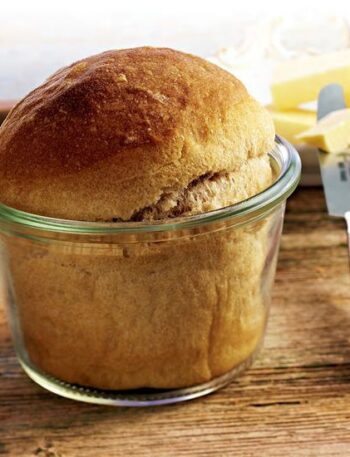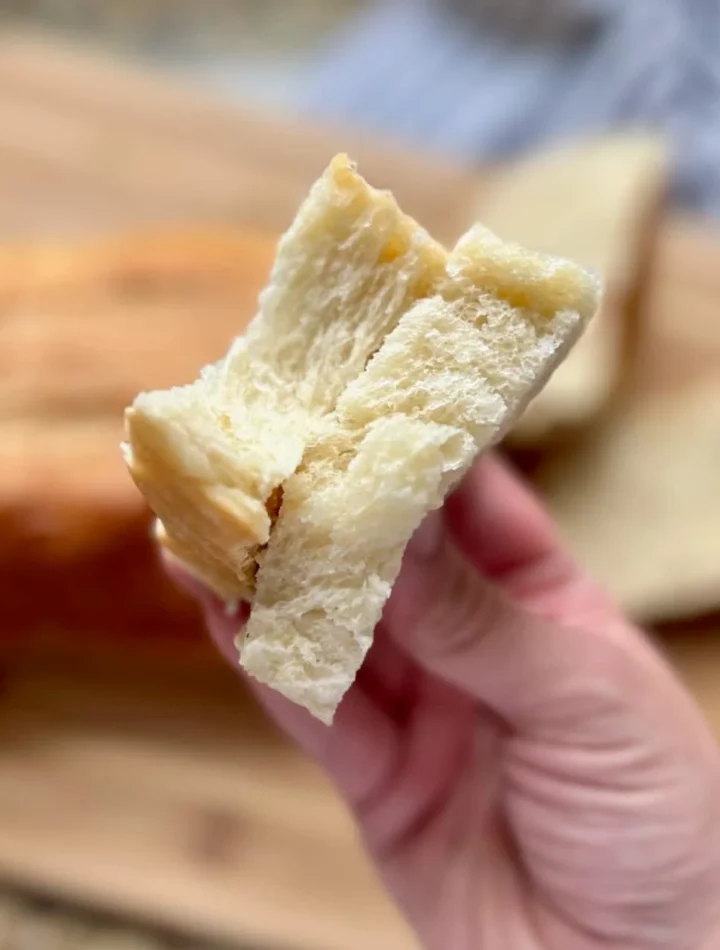
If you love homemade bread but have a jar of sourdough discard sitting in the fridge, this Sourdough Discard Soft French Bread is a great way to use it. The loaf has a tender, fluffy center, a lightly golden crust, and just enough sourdough flavor to make it more interesting than ordinary French bread.
Unlike traditional crusty French bread, this version is made to stay soft and sliceable. It’s perfect for sandwiches, garlic bread, toast, or serving alongside soup and pasta. The discard adds flavor and helps make the dough wonderfully tender, while a little yeast gives the bread a reliable rise.
Why You’ll Love This Bread
This recipe is simple enough for a beginner but still gives you that beautiful homemade bakery feel.
The dough comes together with basic ingredients, and you don’t need a mature sourdough starter because this recipe uses sourdough discard plus instant yeast. That means you can use discard that isn’t currently strong enough to rise a loaf on its own.
The finished bread is soft enough for sandwiches but sturdy enough to soak up butter, garlic, gravy, or your favorite soup.
Ingredients
- 1 cup (240g) sourdough discard
- 1 1/4 cups (300g) warm water
- 2 tablespoons olive oil or melted butter
- 1 tablespoon honey or granulated sugar
- 2 1/4 teaspoons instant yeast
- 4 cups (480g) bread flour
- 1 1/2 teaspoons salt
For the Top
- 1 tablespoon melted butter
- Sesame seeds or poppy seeds, optional
Make the Dough
Add the warm water, sourdough discard, honey or sugar, olive oil, and instant yeast to a large mixing bowl. Whisk until the discard is mostly blended into the liquid.
Add the bread flour and salt. Stir with a wooden spoon or dough whisk until a rough dough forms.
Let the dough rest for about 10 minutes. This little break gives the flour time to absorb the water and makes kneading easier.
Knead the dough by hand for about 8–10 minutes, or use a stand mixer with the dough hook for around 5–6 minutes. The dough should become smooth, elastic, and slightly tacky.
Try not to dump in lots of extra flour. A slightly soft dough is what helps give this French bread its fluffy texture.
First Rise
Place the dough in a lightly greased bowl and cover it with plastic wrap, a lid, or a clean kitchen towel.
Let it rise in a warm, draft-free spot for about 1 to 1 1/2 hours, or until it looks noticeably puffy and has nearly doubled in size.
The exact timing can change depending on the temperature of your kitchen. If your kitchen is cool, the dough may need more time.
Shape the French Bread
Once the dough has risen, gently turn it onto a lightly floured work surface.
Press it into a rough rectangle, being careful not to completely flatten all the air from the dough.
Roll the dough tightly from one long side to the other, tucking the edges underneath as you go. Pinch the seam closed.
For one large loaf, place the shaped dough on a parchment-lined baking sheet.
You can also divide the dough into two smaller pieces if you’d rather have two smaller French loaves.
Cover the shaped bread loosely and let it rest for another 30–45 minutes.
Score the Loaf
When the dough looks puffy, use a sharp bread lame or very sharp knife to make 3–4 diagonal cuts across the top.
Don’t press down too hard. A quick, confident cut works best.
Brush the top lightly with melted butter. If you like, sprinkle over sesame seeds or poppy seeds.
Bake
Preheat your oven to 400°F (200°C).
For a softer French bread crust, you don’t need an aggressive steam setup. Place the baking sheet in the preheated oven and bake for approximately 25–30 minutes for one large loaf.
The bread should be golden brown on top and sound slightly hollow when tapped.
If you’re making two smaller loaves, start checking them around 20–25 minutes.
For an extra-soft crust, brush the hot loaf with a little melted butter as soon as it comes out of the oven.
The Most Important Step: Let It Cool
I know it’s tempting to slice into a warm loaf right away, but give it some time.
Place the bread on a wire rack and allow it to cool for at least 30–45 minutes before slicing.
This lets the interior finish setting. Cutting too early can make the center look gummy, even when the bread is fully baked.
Once cooled, use a serrated bread knife to cut clean slices.
Tips for Soft French Bread
Use room-temperature discard: Cold discard can slow the dough down, especially in a cool kitchen.
Don’t add too much flour: The dough should feel soft and slightly tacky. Too much flour can turn the loaf dense.
Watch the dough, not just the clock: Rising times depend on room temperature, yeast activity, and flour.
Brush with butter: For a softer crust, butter the loaf immediately after baking.
Use bread flour: It gives the loaf a nice structure while keeping the inside light and chewy.
Don’t overbake: Once the loaf is nicely golden and baked through, take it out. Overbaking can dry out the soft crumb.
How to Use Sourdough Discard French Bread
There are so many ways to enjoy this loaf.
Slice it for sandwiches, toast it with butter and jam, or serve thick pieces alongside soup. You can turn it into garlic bread with melted butter, garlic, parsley, and Parmesan.
It also makes fantastic French toast. Because the crumb is soft but sturdy, it absorbs the egg mixture without falling apart.
If you have leftovers, cube the bread and turn it into homemade croutons or breadcrumbs.
Storage
Keep the cooled bread in an airtight bread bag or container at room temperature for about 2–3 days.
For longer storage, slice the loaf and freeze the slices in a freezer-safe bag. When you’re ready to use them, simply thaw at room temperature or toast directly from frozen.