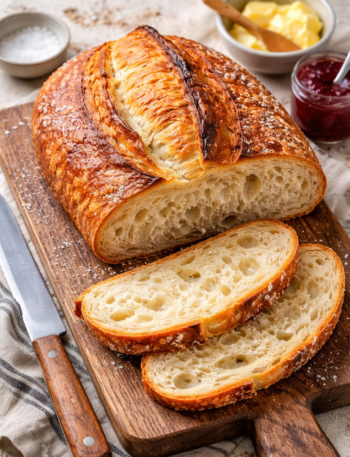
There is something deeply comforting about sourdough dinner rolls. Soft, pillowy, and lightly tangy, they bring together the rustic charm of sourdough baking with the irresistible warmth of freshly baked bread. Unlike crusty sourdough loaves that demand slicing and careful handling, sourdough dinner rolls are tender, easy to serve, and perfect for sharing. They belong just as naturally on a holiday table as they do alongside a simple weeknight meal.
This recipe is designed to give you rolls that are fluffy on the inside, lightly golden on the outside, and full of flavor without being overly sour. The long, slow fermentation not only improves texture and taste but also makes the rolls easier to digest. Best of all, these rolls can be made with minimal hands-on effort, even if you’re new to sourdough baking.
Whether you’re serving them with soup, roasted meats, or simply warm with butter, these sourdough dinner rolls are guaranteed to become a staple in your kitchen.
Why Sourdough Dinner Rolls Are Special
Sourdough rolls offer something that yeast-only rolls simply can’t: depth of flavor. The natural fermentation process creates subtle tanginess while enhancing the wheat’s natural sweetness. The dough develops strength and structure over time, resulting in a soft crumb that stays fresh longer than standard rolls.
These rolls are:
- Soft and fluffy, not dense
- Mildly tangy but not overpowering
- Naturally leavened
- Perfect for make-ahead baking
- Versatile enough for sweet or savory meals
If you love sourdough bread but want something easier to shape, bake, and serve, dinner rolls are the perfect place to start.
Ingredients
For the Dough
- 1 cup (240 g) active sourdough starter, bubbly and at peak activity
- 1 cup (240 g) warm whole milk (about 90°F / 32°C)
- ¼ cup (50 g) granulated sugar or honey
- 4 tablespoons (56 g) unsalted butter, melted and cooled
- 1 large egg, room temperature
- 3½ to 4 cups (420–480 g) bread flour or all-purpose flour
- 1½ teaspoons salt
For Finishing
- 2 tablespoons melted butter (for brushing after baking)
Equipment Needed
- Large mixing bowl
- Wooden spoon or dough whisk
- Stand mixer (optional)
- Bench scraper or knife
- 9×13-inch baking dish or sheet pan
- Plastic wrap or clean kitchen towel
Step-by-Step Instructions
Step 1: Mix the Dough
In a large bowl, combine the active sourdough starter, warm milk, sugar, melted butter, and egg. Stir until smooth and well blended.
Add 3½ cups of flour and the salt. Mix until a shaggy dough forms. If the dough feels overly sticky, add additional flour 1 tablespoon at a time until it is soft and slightly tacky but not wet.
The dough should be easy to handle but still supple.
Step 2: Knead the Dough
Turn the dough out onto a lightly floured surface and knead for 8–10 minutes by hand, or 5–6 minutes in a stand mixer with the dough hook.
The dough should become smooth, elastic, and slightly springy when pressed. Proper kneading is key to achieving soft, fluffy rolls.
Place the dough in a lightly greased bowl, cover, and allow it to rest.
Step 3: Bulk Fermentation
Let the dough rise at room temperature for 4–6 hours, or until it has increased by about 50–75% in volume. Sourdough rises more slowly than commercial yeast dough, so patience is essential.
During this time, the dough will develop flavor and structure. For deeper flavor, you may refrigerate the dough after 2–3 hours of room-temperature fermentation and allow it to cold ferment overnight.
Step 4: Shape the Rolls
Once the dough has risen, gently turn it out onto a clean work surface. Divide it into 12 or 15 equal pieces, depending on the size of rolls you prefer.
Working with one piece at a time:
- Gently stretch the dough into a small rectangle
- Fold the edges inward
- Roll into a smooth ball, pinching the seam underneath
Arrange the rolls seam-side down in a greased baking dish or on a lined baking sheet. Space them slightly apart for soft, pull-apart rolls, or farther apart for individually crusted rolls.
Step 5: Final Rise
Cover the shaped rolls loosely and allow them to rise for 2–4 hours at room temperature, until puffy and visibly expanded. They should slowly spring back when gently pressed with a fingertip.
This final rise is crucial for achieving light, airy rolls. Avoid rushing this step.
Step 6: Bake
Preheat your oven to 375°F (190°C).
Bake the rolls for 20–25 minutes, until golden brown on top and fully baked through. The internal temperature should reach about 190°F (88°C).
If the tops brown too quickly, tent loosely with foil during the last few minutes of baking.
Step 7: Finish and Serve
Remove the rolls from the oven and immediately brush with melted butter. This adds flavor and keeps the crust soft.
Allow the rolls to cool for 10–15 minutes before serving. Enjoy warm.
Tips for Perfect Sourdough Dinner Rolls
- Use an active starter
Your starter should be bubbly and recently fed. A sluggish starter will result in dense rolls. - Don’t rush fermentation
Time is essential for sourdough. Slow rises create better texture and flavor. - Adjust flour as needed
Humidity and flour type affect dough consistency. Aim for soft, not stiff. - Enriched dough rises slower
Butter, milk, and sugar slow fermentation—this is normal. - Brush with butter twice
Once before baking (optional) and again after for extra softness.
Make-Ahead & Storage Options
Make Ahead
- Shape the rolls and refrigerate overnight before the final rise
- Bring to room temperature and allow to rise before baking
Storage
- Store at room temperature in an airtight container for up to 2 days
- Refrigerate for up to 5 days
- Freeze baked rolls for up to 2 months
To reheat, warm in a 300°F oven for 8–10 minutes.
Flavor Variations
Garlic Herb Rolls
Add 1 teaspoon garlic powder and chopped herbs to the dough. Brush with garlic butter after baking.
Honey Butter Rolls
Replace sugar with honey and brush with honey butter while warm.
Whole Wheat Sourdough Rolls
Substitute up to 50% of the flour with whole wheat flour for a heartier roll.
Cheddar Sourdough Rolls
Fold shredded sharp cheddar into the dough during shaping.
Serving Ideas
Sourdough dinner rolls pair beautifully with:
- Holiday roasts
- Soups and stews
- Thanksgiving or Christmas dinners
- Sliders and sandwiches
- Butter, jam, or honey
They’re also excellent toasted the next day.
Why You’ll Love This Recipe
- Naturally leavened
- Soft and fluffy texture
- Rich flavor without excessive sourness
- Beginner-friendly
- Perfect for special occasions or everyday meals
- Make-ahead flexible
Final Thoughts
Sourdough dinner rolls bring together tradition, comfort, and craftsmanship in one beautiful bake. They’re soft enough to melt in your mouth, sturdy enough to hold butter or fillings, and flavorful enough to stand on their own. While they take time, the process is gentle and rewarding, making these rolls just as enjoyable to bake as they are to eat.
Once you try these, they’re bound to become a favorite at your table—warm, golden, and baked with care.